Crater Lake National Park
1 campground in the park · 260 nearby · 26 free and dispersed sites within 50 mi
Photo: NPS Photo
2 current alerts
As of Sep 20, 2026 · from nps.gov
- Park closureEast Rim Drive is CLOSED from Park Headquarters to Phantom Ship OverlookEast Rim Drive is currently CLOSED to all public access from Park Headquarters to Phantom Ship Overlook for road construction. West Rim Drive, North Entrance Road, East Rim Drive from North Junction to Phantom Ship Overlook, Cloudcap Road, and Pinnacles Road are now OPEN for travel.
- Park closureCleetwood Cove Trail is CLOSED for RehabilitationThe Cleetwood Cove Trail is CLOSED for construction. This critical project will fully rehabilitate the trail and marina to ensure safe access to the lake, provide a much-improved visitor experience, and protect the environment.
At a glance
- Entrance
- $30 per vehicle
- In the park
- 1 campground
- Near the park
- 260 campgroundsWithin 50 mi
- Free and dispersed
- 26 sitesWithin 50 mi
- Annual pass
- $55Crater Lake only
Where to camp
Camping in the park 1
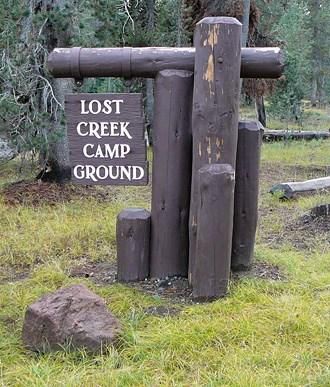
Camping near the park 260
- Aerial viewCampground
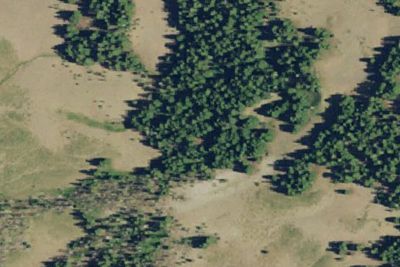
Lightning Springs Backcountry Campsite
2.4 mi · Crescent Lake, OR
- Aerial viewCampground
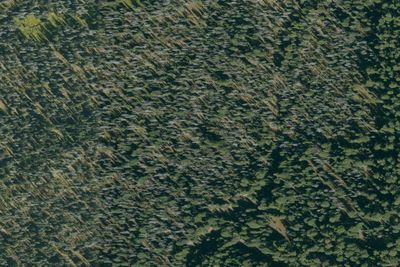
Camp site
4.0 mi · Fort Klamath, OR
Free and dispersed nearby 26
See them on the map- Grouse Hill Backcountry CampsiteCrescent Lake, OR3.5 mi
- Huckleberry City CampgroundProspect, OR11 mi
- Diamond Lake CampgroundNorth Umpqua, OR15 mi
- Buck CampNorth Umpqua, OR15 mi
- Clear Creek CampNorth Umpqua, OR15 mi
- Clearwater Falls CampgroundNorth Umpqua, OR22 mi
Services nearby: 2 dump stations · 3 rest areas
About Crater Lake
Crater Lake inspires awe. Native Americans witnessed its formation 7,700 years ago, when a violent eruption triggered the collapse of a tall peak. Scientists marvel at its purity—fed by rain and snow, it’s the deepest lake in the USA and one of the most…
Crater Lake inspires awe. Native Americans witnessed its formation 7,700 years ago, when a violent eruption triggered the collapse of a tall peak. Scientists marvel at its purity—fed by rain and snow, it’s the deepest lake in the USA and one of the most pristine on Earth. Artists, photographers, and sightseers gaze in wonder at its blue water and stunning setting atop the Cascade Mountain Range.
Photos: NPS Photo · NPS Photot
Things to do
- Auto and ATV
- Scenic Driving
- Astronomy
- Stargazing
- Biking
- Road Biking
- Boating
- Boat Tour
- Camping
Plan your visit
Getting there
From the west (Medford) - Take Hwy 62 to the West Entrance. Open year-round. From the south (Klamath Falls) - Take Hwy 97 north to Hwy 62 to the South Entrance. Open year-round. The North Entrance is on Hwy 138 and is…
Weather
July, August, and September are your best bets for warm, dry weather. In May, June, and October, sunny days alternate with periods of rain and snow. Winters at Crater Lake are long and snowy. Storms from the Pacific…
Plan your visit
Fees and passes
- Private vehicle$30
- Private vehicle$20
- Motorcycle, 7 days$25
- Motorcycle, 7 days$15
- Per person$15
- Snowmobile$15
- Crater Lake annual pass$55
Hours
Crater Lake National Park is open year-round, 24 hours a day. Some roads, trails, and facilities, however, are closed seasonally due to snow. North Entrance Road, and West and East Rim Drives close for the season on November 1 (or earlier if there is significant snowfall). Crews begin removing snow from these roads in April, but opening dates vary. The North Entrance Road and West Rim Drive tend to open in early June. The East Rim Drive typically opens in early July.
Getting there
From the west (Medford) - Take Hwy 62 to the West Entrance. Open year-round. From the south (Klamath Falls) - Take Hwy 97 north to Hwy 62 to the South Entrance. Open year-round. The North Entrance is on Hwy 138 and is accessed from Interstate 5 east at Roseburg or Hwy 97 south from Bend and Chemult. Winter travelers from Roseburg take Route 138 east to Route 230 south to Route 62 east to the park's west entrance. Travelers from Bend take Route 97 south to Route 62 to the park's south entrance.
Weather
July, August, and September are your best bets for warm, dry weather. In May, June, and October, sunny days alternate with periods of rain and snow. Winters at Crater Lake are long and snowy. Storms from the Pacific Ocean dump an annual average of 41 feet (13.5 meters) of snow at park headquarters. When it's raining or snowing, the lake is usually hidden by clouds. Crater Lake is completely invisible about 50% of the time in the winter!
Camped at Crater Lake? You could be the first to say which site you'd pick again.
Reviews, photos and cell signal reports from real stays help the next camper choose.